
The Ultimate Guide to Interlocking Driveway Designs for Modern Homes
Homeowners increasingly choose interlocking pavers for their driveways because these materials offer design flexibility that poured concrete and asphalt can’t match. With dozens of colours, textures, and laying patterns available, an interlocking driveway transforms a purely functional surface into a statement piece that enhances your home’s curb appeal and property value.
Why Interlocking Pavers Stand Out for Contemporary Driveway Design
Interlocking pavers create visual interest through their modular nature. Unlike monolithic surfaces, individual units can be arranged in countless configurations, allowing you to craft an interlocking driveway that complements your home’s architectural style. Modern homes with clean lines pair beautifully with large-format rectangular pavers in neutral tones, while traditional brick exteriors harmonize with classic running bond patterns in terracotta or charcoal.
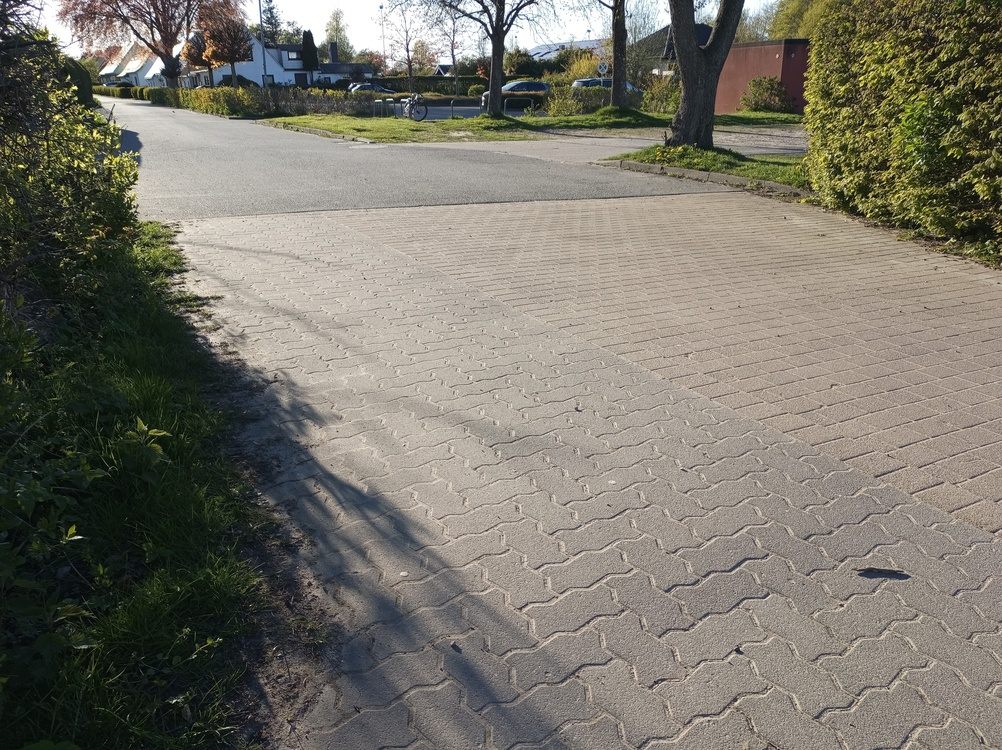
The material composition matters as much as the pattern. Concrete pavers dominate the residential market due to their durability and colour consistency. Manufactured under controlled conditions, these units resist fading better than many alternatives and come in finishes ranging from smooth contemporary to textured stone-look surfaces. Natural stone pavers, including granite and limestone, offer organic colour variation and unmatched longevity, though they command premium pricing.
Permeable interlocking pavers deserve special attention for modern homes. These units feature wider joints filled with aggregate or specialized spacing that allows water to filter through the surface rather than running off. Beyond the environmental benefits, permeable systems reduce puddling and ice formation, providing practical advantages in the Ottawa Valley’s freeze-thaw climate. The visible joint pattern also adds textural depth to the overall design.
Popular Interlocking Pattern Options & Their Visual Impact
Your choice of laying pattern profoundly affects the driveway’s appearance and the perceived scale of your property. A herringbone pattern, with pavers laid at 45 or 90-degree angles in an interlocking zigzag, creates dynamic visual movement. This pattern works particularly well for curved driveways or circular features, as the angled orientation disguises subtle grade changes and guides the eye naturally through turns.
Running bond patterns, where pavers are offset by half their length like traditional brickwork, deliver a classic, orderly appearance. This straightforward layout suits formal home styles and proves cost-effective to install, as it generates minimal waste during cutting. For homeowners seeking something distinctive, a basket weave pattern alternates pairs of horizontal and vertical pavers to form a checkerboard effect that adds geometric interest without overwhelming.
Multi-size patterns represent a growing trend in modern driveway design. Manufacturers now offer coordinated paver kits containing three or four different sizes designed to fit together in repeating modules. These systems create an Old World or European courtyard aesthetic while maintaining the structural integrity of a properly engineered base. The varied unit sizes break up visual monotony on longer driveways without requiring complex custom layouts.
Border treatments frame your driveway and define its edges. A soldier course, featuring pavers turned perpendicular to the main field, creates crisp boundaries that prevent edge migration. Contrasting border colours add definition, particularly effective when matching or complementing your home’s trim colours. Some homeowners incorporate multiple border rows in gradually lighter or darker shades for a graduated effect.
Colour Selection Strategies for Cohesive Home Exteriors
Selecting Interlocking paver colours requires considering your home’s permanent exterior elements: roof shingles, siding, stone accents, and trim. Rather than matching these exactly, aim for complementary tones that create visual harmony. Homes with warm-toned brick or wood siding benefit from pavers in earth tones like sienna, sandstone, or warm grey. Cool-toned exteriors in blue-grey, white, or stone pair naturally with charcoal, slate, or blue-grey pavers.
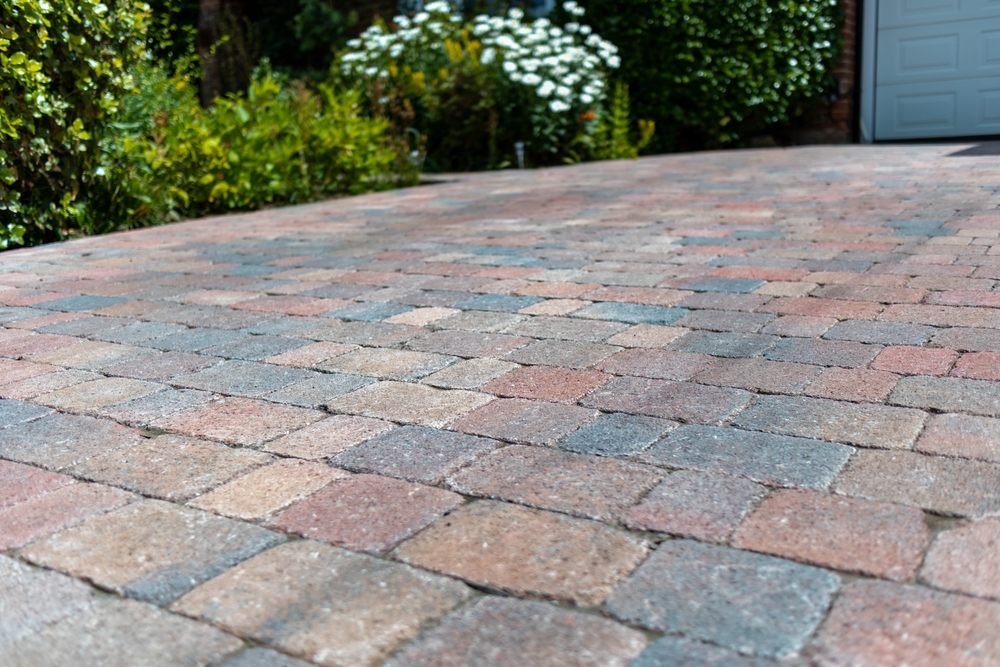
Blended colour pavers offer a sophisticated middle ground. These units mix two or three complementary shades within each paver or across the palette, creating natural colour variation similar to aged stone. The blending softens the overall appearance and hides minor staining or weathering better than solid colours. For contemporary homes favouring minimalist aesthetics, monochromatic schemes in various shades of grey deliver clean sophistication without stark uniformity.
Darker pavers absorb more heat, an important consideration for the driveway installation you’re planning. While charcoal and black pavers create a dramatic contrast against lighter homes, they may become uncomfortably hot during summer. They can accelerate snow melt in winter, potentially creating icy patches as runoff refreezes. Lighter colours reflect heat but may show tire marks more readily, though proper sealing mitigates this concern.
Tumbled or distressed finishes add texture and an aged appearance straight from installation. The manufacturing process chips edges and surfaces slightly, creating a weathered look that suits heritage homes or properties aiming for rustic charm. These finishes also provide better slip resistance when wet compared to smooth surfaces.
Design Features That Elevate Standard Driveways
Incorporating design accents transforms a functional driveway into a landscape feature. Inlaid bands or ribbons using contrasting colours create visual lanes or highlight the driveway’s centre line. Some homeowners install decorative medallions or compass designs at prominent locations like turnarounds or the transition between driveway and walkway.
Integrated lighting represents both a design element and a practical safety feature. Low-voltage LED fixtures installed within the paver surface or along borders illuminate the driveway without requiring separate light posts. Edge lighting in particular accentuates your chosen pattern and guides visitors safely after dark. The wiring and fixtures are installed during base preparation, ensuring a seamless finished appearance.
Transition zones between your driveway and other surfaces deserve thoughtful design. Where interlocking pavers meet concrete walkways or asphalt streets, a well-executed border or defined edge prevents an abrupt visual break. Some Interlocking designs extend the paver pattern into parking courts or aprons in front of garage doors, creating unified hardscaping across the entire front approach.
For properties with challenging topography, terraced or multi-level driveway designs manage slopes while adding architectural interest. Retaining walls built from coordinating materials create level platforms, and steps or gradual grade transitions connect different elevations. These features require careful engineering but result in distinctive solutions that standard sloped driveways can’t achieve.
Radius cuts and curves soften the hard edges typical of rectangular driveways. Gentle curves work particularly well on longer driveways, breaking up the linear path and creating a more inviting approach. Curved designs do increase labour during installation, as more pavers require cutting, but the visual payoff often justifies the additional investment for homeowners prioritizing aesthetics.
Practical Considerations Behind Beautiful Interlocking Designs
Even the most stunning pattern fails without proper base preparation. Your interlocking driveway requires excavation to an appropriate depth, typically 12 to 18 inches, depending on soil conditions and expected vehicle loads. Layers of compacted granular base, bedding sand, and edge restraints create the stable foundation that prevents settling and maintains pattern integrity over decades.
Joint sand plays a crucial role beyond filling gaps between pavers. Polymeric sand, which hardens when activated with water, locks pavers together and prevents weed growth while remaining flexible enough to accommodate minor ground movement. This material comes in colours matched to common paver shades, making joints visually recede or stand out depending on your design intent.
Climate considerations influence both material selection and installation timing. The Ottawa region’s freeze-thaw cycles demand pavers rated for severe weather exposure. Quality concrete pavers manufactured to Canadian standards withstand moisture absorption and subsequent freezing without cracking or spalling. Installation during moderate weather ensures proper base compaction and allows polymeric sand to cure correctly.
Maintenance requirements vary by finish and colour, but remain manageable compared to other driveway surfaces. Regular sweeping removes debris that can stain lighter pavers. Periodic resealing, typically every two to three years, protects against oil stains and enhances colour vibrancy. Individual damaged pavers can be lifted and replaced without disturbing surrounding units, a significant advantage over monolithic surfaces that require extensive patching. Professional landscape construction teams understand these maintenance requirements and can specify appropriate materials for your specific conditions.
Common Questions About Interlocking Driveway Design
Q: How do I choose between concrete and natural stone pavers for my driveway?
A: Concrete pavers offer consistent sizing, predictable colour options, and lower initial cost while delivering excellent durability for residential driveways. Natural stone provides unique colour variation and prestige appeal, but requires higher investment and may need more frequent sealing. For most modern homes, high-quality concrete pavers in stone-look finishes deliver the desired aesthetic at practical price points.
Q: Can I mix different paver styles or colours in one driveway design?
A: Mixing styles creates visual interest when done intentionally. Use one paver type for the main field and a contrasting style for borders or accent bands. Limit your palette to two or three coordinating colours to maintain cohesion. Manufacturers often offer design services to help visualize combinations before installation.
Q: What’s the minimum driveway width needed for interlocking patterns to look proportional?
A: Standard single-car driveways measure 10 to 12 feet wide, sufficient for most patterns, though very large pavers may appear oversized in narrow spaces. Double driveways of 18 to 24 feet showcase complex patterns more effectively and allow room for decorative borders without crowding. Consider your pattern’s scale relative to the available surface area during planning.
Transform Your Property with Professional Interlock Design
An interlocking driveway represents a significant investment in your home’s functionality and visual appeal. The design choices you make today will shape your property’s character for decades, making it worth the time to explore patterns, colours, and features that truly reflect your style. Working with experienced installers ensures that your chosen design translates from concept to reality with proper engineering, quality materials, and skilled craftsmanship that stands behind the aesthetics.
At Capital Asphalt & Interlock, we’ve spent three decades helping Ottawa Valley homeowners create distinctive outdoor spaces that combine beauty with durability. Our team works with you to select patterns and materials suited to your home’s architecture, your practical needs, and your budget. Get Your Free Estimate and start planning the interlocking driveway that will welcome you home for years to come.